







Search Results for: Don Juan
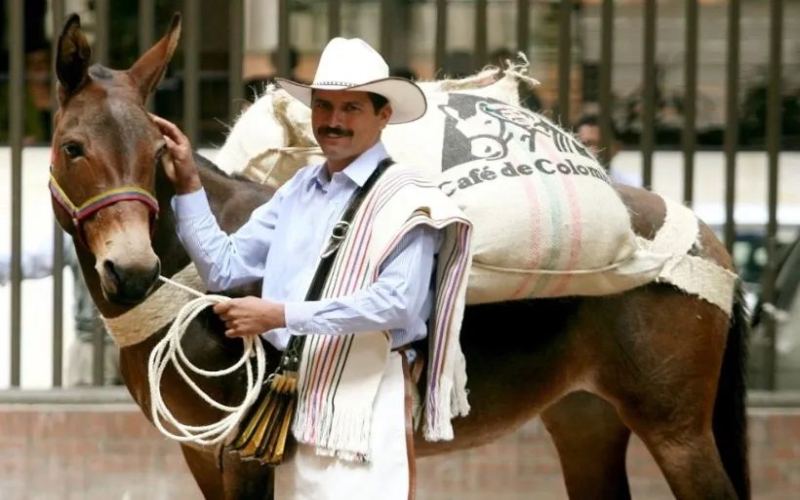
The Legendary Embodiment of Colombian Coffee: How Juan Valdez and His Mule Shaped the Benchmark for Origin Coffee
For friends who love Colombian coffee, the image of a coffee farmer leading a mule is surely familiar—Juan Valdez, known to everyone as "Don Juan." He was actually a fictional spokesperson created by the National Federation of Coffee Growers of Colombia in 1959, yet he became a globally recognized symbol of coffee. From the rugged transport routes of the Andes, to the marketing miracle that changed American consumers' perceptions, and now to Juan Valdez cafés in countries around the world, Don Juan's story traces Colombia's path to coffee modernization. This article will introduce you to his origins, the symbolic meaning of his mule Conchita, the story behind the classic triangular logo, and his profound influence on the promotion of single-origin coffee. [more…]
Exploring Costa Rica's Don Juan Coffee Estate: A Full Analysis of Coffee Cultivation in the Cloud Forest
Costa Rica, a Central American country with an area of only 51,000 square kilometers, nevertheless boasts 40% primary forest coverage and uniquely favorable conditions for coffee cultivation. Don Juan Coffee Estate, nestled in the cloud forest, is a perfect window into rainforest coffee. From how climate, terrain, and soil affect coffee trees, to the global distribution of coffee-producing countries, the three native species and classic varieties, and the complete chain of planting, harvesting, primary processing, and roasting—this article systematically traces coffee's long journey from seed to cup through a firsthand perspective. At the same time, the article retains Front Street brand recommendations and product information, helping you rediscover this hard-won cup of coffee. [more…]
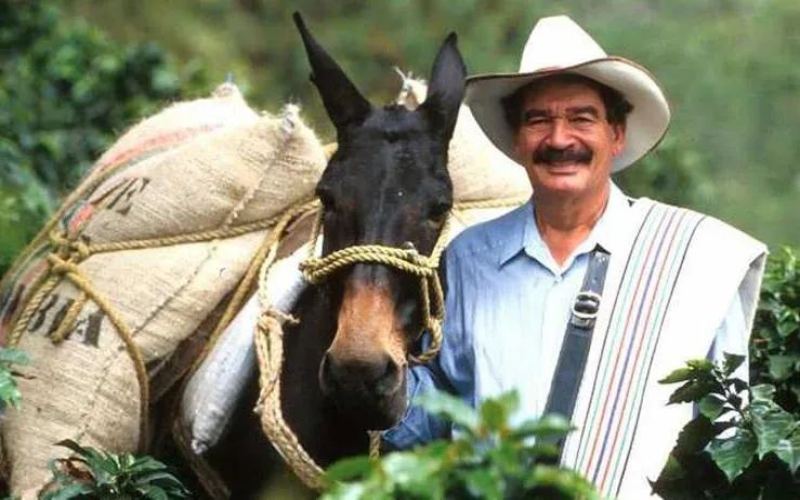
Colombian Coffee Brand Roundup: A Complete Analysis of Flavors and Grading from Don Juan to the Huila Specialty Region
For coffee enthusiasts, Colombia is always an unavoidable classic origin. This article begins with the household-recognized brand image of Juan Valdez, systematically outlining Colombia's coffee-growing regions, climate characteristics, harvest seasons, and the landscape of specialty production areas, while offering an in-depth interpretation of why Huila Department has become the specialty region that Front Street Coffee selects as Colombia's flagship representative. The article also provides a detailed introduction to Colombia's green bean screen-size grading standards—the specific meanings of export grades such as UGQ, EP, and Supremo, along with their screen mesh specifications—as well as the practical application of the washed processing method in the Huila region. Finally, using Huila coffee beans as an example, Front Street fully demonstrates the extraction steps for a moka pot, offering a reference for daily brewing. [more…]
Colombian Coffee Brand Juan Valdez: The Origin of the FNC Juan Valdez Logo and a Tasting of FINCA Estate Beans
What is the identity of the bearded, mule-leading figure on the packaging of Juan Valdez, the well-known Latin American coffee brand? How was this brand born? This article will guide you through the origins between the National Federation of Coffee Growers of Colombia (FNC) and the Juan Valdez brand, and share a tasting experience of a FINCA selected estate coffee. From the founding of the FNC in 1927, to the official launch of the brand in 1960, and to this UTZ-certified 100% washed Arabica bean, the article also introduces the terroir characteristics of Colombian coffee origins, as well as Front Street Coffee's recommendations for high-value Colombian beans. [more…]
From Uncle Juan to the Triangular Mark: Colombian Coffee Origin Stories and Blended Bean Flavor Analysis
Colombian coffee occupies an important place in the global specialty coffee landscape, and when it comes to Colombia, many people first think of "Juan Valdez," the man leading a mule. This fictional character, launched in 1959 by the National Federation of Coffee Growers of Colombia (FNC), carries behind it the real stories of more than half a million coffee farmers and the rugged terroir of the Andes. This article will walk you through the origins of Juan Valdez and his mule Conchita, the meaning of the Colombian coffee triangle logo, and the aromatic performance of Colombian coffee in blends. It will also recommend a Colombian-Brazilian blend from Front Street Coffee for coffee lovers to reference and taste. [more…]
From Juan Valdez to Coffee Chains: The History, Challenges, and Transformation of Colombia's Coffee Industry
Colombian coffee is renowned worldwide for its mild, low-caffeine Arabica varieties, and the image of Juan Valdez—wearing a wide-brimmed straw hat and leading a donkey—is deeply ingrained in people's minds. From the founding of the National Federation of Coffee Growers in 1927, to the creation of the classic brand ambassador by an advertising agency in 1959, to the opening of Juan Valdez cafés in the 21st century to compete directly with Starbucks, the Colombian coffee industry has walked a path of transformation from passive reliance on the futures market to actively building its own brand. This article traces the origins and development of the Juan Valdez brand, analyzes the impact of international coffee price fluctuations on coffee farmers, and ventures deep into the mountains of Huila Department to document the real lives and aspirations of organic growers. It also examines the potential and challenges of Colombian coffee in emerging markets such as China. [more…]
What Does Colombian Juan Díaz Coffee Taste Like? Front Street Analyzes the Classic Brand and Huila Everyday Beans
When it comes to Colombian coffee, many people picture Uncle Juan wearing a straw hat and leading a mule—an iconic image that has long been the calling card of Colombian coffee to the world. Colombia's coffee-growing regions stretch across the Andes, divided from south to north into three major zones, and the diversity of climate and altitude means coffee cherries ripen almost year-round. In the last century, the "MAM" trio was the most famous, but with the rise of the specialty coffee wave, southern regions such as Huila, Cauca, and Nariño have repeatedly won Cup of Excellence awards thanks to their high altitudes and refined processing methods. After multiple cupping sessions, Front Street Coffee chose a washed bean from the Huila region as the flagship representative of Colombia, offering it in small packaging so enthusiasts can easily experience the classic flavor. This article will introduce the origins of the Uncle Juan logo, the logic behind Colombia's regional classification, and Front Street Coffee's brewing recommendations and flavor profile for its Huila everyday-drinking bean. [more…]
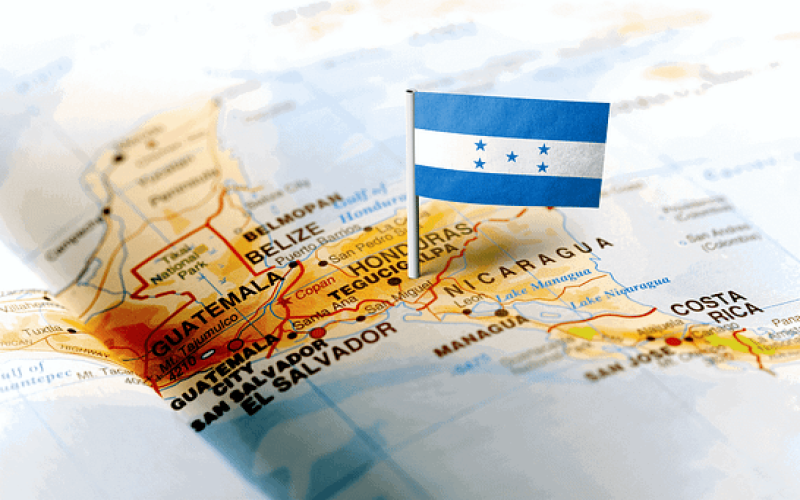
Key Points for Brewing Honduran Pour-Over Coffee and a Detailed Guide to Washed Beans from San Juan and Other Regions
Although Honduras is a latecomer to the Central American coffee industry, it has risen rapidly thanks to its production advantages and distinctive flavors. This article systematically reviews the characteristics of Honduran washed coffee beans, from producing regions and grading to specific brewing parameters. Using several Honduran beans as examples, Front Street Coffee shares a complete practical approach from roasting curves to staged extraction, helping coffee enthusiasts master the key points of pour-over Honduran coffee and presenting its balanced expression of floral and fruity notes with nutty and chocolate tones. [more…]
Panama Santa Teresa Estate Geisha: A Complete Analysis of Processing Methods, Roasting Recommendations, and Pour-Over Flavor
Finca Santa Teresa is located in the Santa Clara growing region of Chiriquí Province, Panama, at an altitude of 1,400 to 1,800 meters, adjacent to the Barú Volcano. Thanks to its fertile volcanic soil and microclimate, it produces exceptional Geisha. The estate is run jointly by Juan Pablo Berard and his daughter Maria Luisia, preserves its primary forest, practices environmentally friendly processing, and has won multiple Best of Panama awards. This article introduces the estate's background, its Geisha processing methods, roast level, and pour-over flavors. Front Street Coffee recommends this Geisha with delicate floral notes and a clean, fresh profile, taking you to experience the unique charm of Panamanian Geisha. [more…]
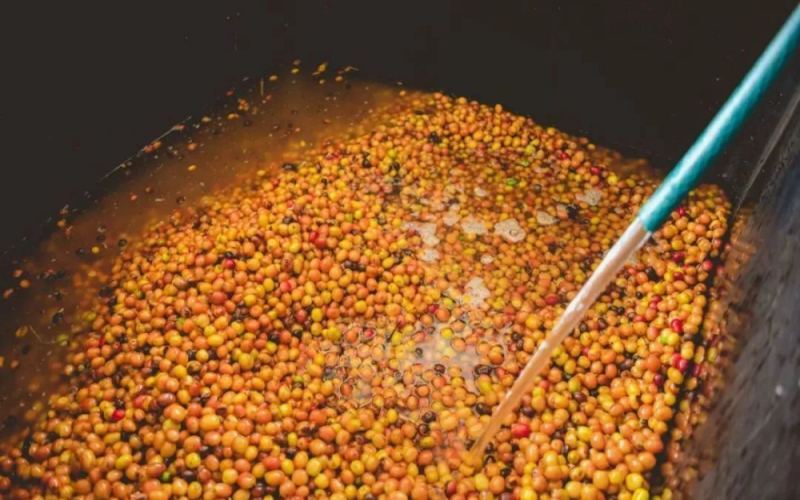
An Overview of Colombian Coffee Brands and a Pour-Over Guide: A Complete Analysis from the Huila Region to the Flavors in Your Cup
Colombia, as the world's third-largest coffee producer, has a well-developed industry system including FNC and CENICAFE. Its terrain spans three major regions from south to north, with distinct harvest seasons, giving rise to many coffee brands each with its own characteristics. This article systematically reviews well-known brands such as Juan Valdez, Ming Coffee, Gevila, and Colin, analyzes the smooth and sweet flavor characteristics of Colombian coffee, and provides an in-depth introduction to the regional divide between commercial beans and specialty beans—the three major MAM production regions in the central and northern parts and specialty production regions such as Huila in the south each have their own strengths. Finally, it includes the pour-over parameters and staged extraction plan for Front Street Coffee Colombia Huila Caturra Washed beans, providing coffee lovers with a complete reference from bean selection to brewing. [more…]
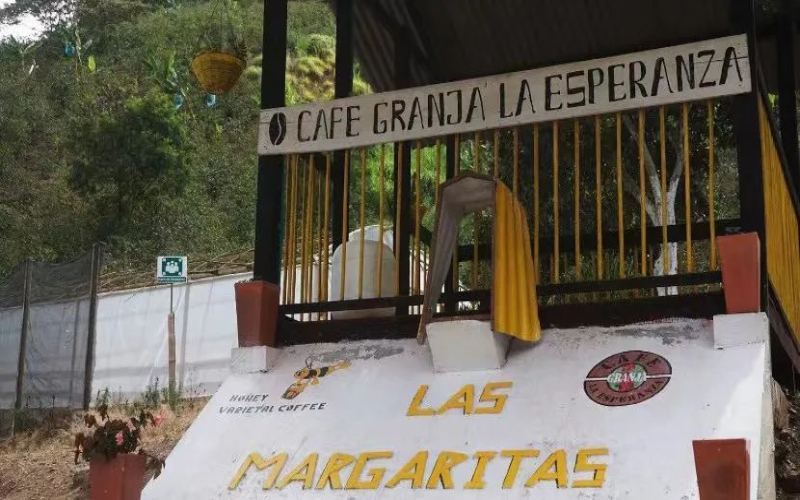
Colombia's Finca La Esperanza and Cerro Azul: A Deep Dive into a Family's Coffee Empire and Geisha Flavors
Cafe Granja La Esperanza frequently appears in coffee competitions and rankings, but it is not a single estate—rather, a coffee family brand made up of several farms. It began when the couple Blanca Ligia Correa and Juan Antonio Herrera acquired Finca Potosí, and the family gradually expanded its holdings to five estates, including Margaritas, Cerro Azul, and Hawaii. In 2007, family member Rigoberto won the BOP championship in Panama, and subsequently introduced Geisha to Colombia, opening a glorious chapter for Cafe Granja La Esperanza. This article provides a comprehensive look at this sun-dried Geisha from the high altitudes of Cauca Department, covering the family history, the terroir of the producing region, and Front Street Coffee's cupping experience. [more…]
A Complete Guide to Panama Santa Teresa Estate Coffee: The Flavor and Award-Winning History of Boquete-Grown Catuai Washed Beans
Located at the border between Panama and Costa Rica, Hacienda Santa Teresa is a hundred-hectare high-altitude coffee estate. Owner Juan Pablo Berard and his daughter Maria Luisia manage this land together, deliberately preserving twenty-five hectares of primary forest as a habitat for wildlife. The estate cultivates varieties such as Caturra, Catuai, and Geisha, and thanks to the volcanic black soil and the dual climates of the Pacific and Atlantic, it nurtures diverse micro-lot specialty coffees. The estate has repeatedly achieved outstanding results in Panama's annual Cup of Excellence (CoE) competition and was even selected in 2012 by the World Brewers Cup champion. This article will guide you through the estate's geography, cultivation philosophy, the flavor expression of its washed Catuai, and its award-winning records over the years, offering an in-depth look at the charm of this quintessential washed Panamanian coffee. Front Street Coffee also recommends paying attention to this estate's lots. [more…]
A Comprehensive Analysis of the Flavor and Origin of Front Street Panama Santa Teresa Estate Washed Caturra and Catuai Coffee
Panamanian coffee has attracted considerable attention among Central American producing countries in recent years. In addition to the Geisha variety from Hacienda La Esmeralda, which sparked a craze, Finca Santa Teresa in the Santa Clara region has also performed remarkably well. The estate is jointly managed by Juan Pablo Berard and his daughter Maria Luisia, covers 100 hectares, retains 25 hectares of primary forest, and mainly grows Caturra, Catuai, and Geisha. This article takes the estate's washed Caturra and Catuai as an entry point, sorts out the historical context of Panamanian coffee and the characteristics of its four core producing regions, and presents Finca Santa Teresa's award record and management philosophy. The micro-lot washed batch purchased this time by Front Street Coffee shows flavors of strawberry and floral notes, creamy roasted nuts accompanied by cane sugar sweetness, milk chocolate, and a pleasant sweet-acidity, and it has also repeatedly received recognition in Panama's Cup of Excellence CoE competitions over the years. [more…]
A Complete Guide to Colombian Coffee Beans: Flavor Characteristics, Processing Methods, Regional Quality, and Pour-Over Grind Parameters
Colombia is the world's third-largest coffee-producing country, with a mature industry system, professional institutions such as FNC and CENICAFE, and distinctive topography and harvest-season distribution. This article will start with well-known brands, the differences between commercial and specialty production regions, and the flavor performance of Huila specialty beans, and will also provide Front Street Coffee's recommended hand-brew parameters and staged extraction plan for Colombian Huila, helping you more systematically understand Colombian coffee beans' flavor descriptions, processing methods, quality characteristics, mouthfeel, and grind size selection. [more…]
Panama Morgan Estate Geisha Coffee Origin Analysis: Morgan Family Farm Flavor and Cultivation Characteristics
Morgan Estate is located on the southwestern slope of Baru Volcano in Panama, at an altitude of 1,700 to 1,780 meters, nourished by a microclimate where the Atlantic and Pacific monsoons converge. Although the estate covers only five hectares, its steep terrain and strict management mean that only a small amount of coffee beans reaches the market each season. The Morgan family farm is owned by the writer Juan David Morgan and mainly produces Green Label Geisha, with both washed and natural processing, known for flavors of roses, grapes, lychees, and dark berries. Front Street Coffee recommends paying attention to its unique flavor expression and meticulous picking and processing methods. [more…]
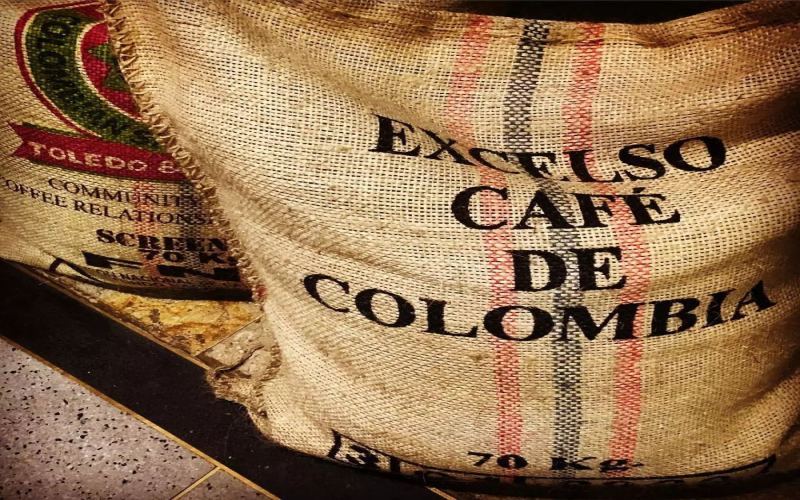
Colombian Coffee Bean Grading and History: An Analysis from FNC to the Huila, Cauca, Nariño, and Santander Regions
Colombian coffee enjoys a global reputation, and behind it lie both the long-term efforts of the official organization FNC and the uniquely favorable growing conditions along the Andes Mountains. This article begins with the founding of the Colombian Coffee Growers Federation and the promotion of the Juan Valdez image, then outlines the geographical distribution of coffee cultivation and the characteristics of major producing regions in the country. It focuses on four representative origins—Huila, Cauca, Nariño, and Santander—and concludes with Front Street Coffee's pour-over brewing suggestions using Huila everyday beans as an example. Whether you want to understand Colombian coffee bean grading and history, or are looking for a daily brewing reference, you will find useful information in this article. [more…]
A Complete Guide to Colombia's Specialty Coffee Regions: Huila, Cauca, Nariño, Santander Flavors and Pour-Over Parameters
Colombian coffee has long been the representative of South American specialty coffee. From the promotion by the FNC to the deeply ingrained image of "Juan Valdez," this country has spent nearly a century establishing its position as the world's third-largest coffee exporter. Along the Andes Mountains lie several distinctive specialty regions—Huila, Cauca, Nariño, Santander, and others—each with its own character. High altitudes, microclimates, and volcanic soil together give Colombian coffee its unique balance of acidity and sweetness along with a rich, full body. In this article, Front Street Coffee will provide a complete overview of the quality logic behind Colombian coffee—from regional characteristics and flavor profiles to a pour-over brewing recipe for Huila everyday beans—helping enthusiasts understand the differences and allure of each region. [more…]
An Analysis of Specialty Coffee Origins in Honduras: Climate, Altitude, and the Flavor Characteristics of Front Street Coffee Beans
Honduras, located in northern Central America, is an ideal place for coffee cultivation thanks to its mild tropical climate and abundant rainfall. Local farmers ensure fruit quality through tree pruning and manual picking, and use washed and natural processing methods to create a soft, rich flavor. Honduras produces two quality grades, High Grown Coffee and Strictly High Grown Coffee, known for low acidity, high sweetness, and notes of black berries and caramel. Front Street Coffee's washed beans from the San Juan Citro region, after medium-dark roasting, present flavors of roasted nuts and milk chocolate, making them suitable for coffee lovers who enjoy a full-bodied taste. This article will guide you through the growing conditions, processing methods, and flavor profile of Honduran specialty coffee. [more…]
A Complete Analysis of the Flavor Differences Between African and American Beans: A Cup-by-Cup Comparison of Terroir from Yirgacheffe to Costa Rica
Coffee lovers often face a choice: do they prefer bright fruity acidity, or balanced richness? African growing regions and American growing regions happen to represent two completely different flavor directions. African beans are known for floral and fruity notes, with a light body like fruit tea; American beans emphasize caramel, nut, and chocolate tones, with a smooth, creamy texture. This article will compare Front Street Ethiopia Yirgacheffe, Limu, Burundi African Heart, as well as Costa Rica honey process, Honduras San Juan Chito, and other beans one by one, from growing region environment, variety characteristics, and processing methods to the final cupping flavor, to help you find the cup that best suits your taste when brewing pour-over. [more…]
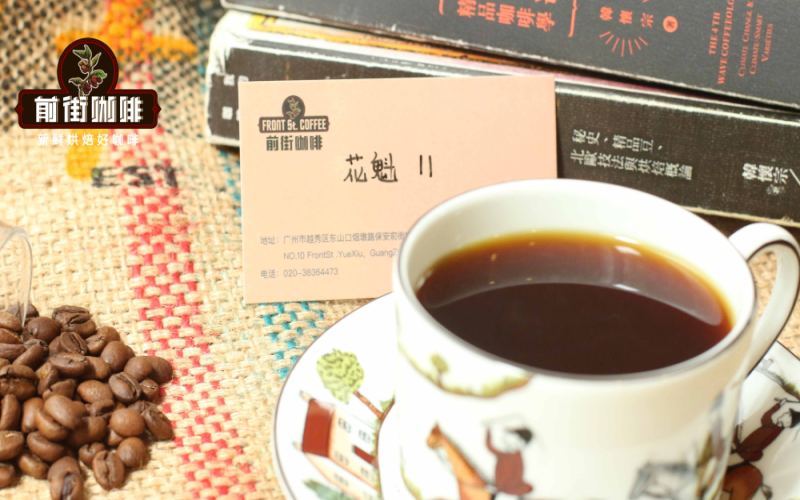
African beans have bright fruity notes, American beans are rich and balanced: understanding the classic flavors of the two major regions in one article
In the world of coffee, origin largely determines the direction of flavor in the cup. African beans are known for their bold floral and fruity aromas, with lively, transparent acidity, like a glass of freshly squeezed juice; American beans, by contrast, excel in balance and harmony, with caramel and nutty sweetness interwoven and a smooth, delicate mouthfeel. This article will take you through three African representatives—Ethiopia Yirgacheffe Red Cherry, Limu G2, and Burundi Heart of Africa—as well as two renowned American beans, Costa Rica Honey Process and Honduras San Juan Guito, breaking down each one by terroir conditions, processing methods, and cup performance. Fruity-style and balanced-style go head-to-head on the same stage—which one will better capture your taste buds? [more…]